Approve portable-appliance packaging around the complete selling unit. Fix the product version, accessories and instructions before finalizing the box. Then review how the set fits, how the customer opens it, what the artwork promises and how it will move through the sales channel.
A well-presented box is useful when it also helps the recipient understand the product. This guide gives brands, retailers and gift buyers a practical sequence for reviewing custom color boxes, logos, product colors and patterns without letting the artwork get ahead of the actual order.
Start with the complete pack list
List every item the customer should receive: appliance, removable parts, adapters, cable, other agreed accessories and printed instructions. Use the exact version being ordered. A new adapter or a different cup can change the insert layout even when the main appliance looks the same.
- Model reference: identify the approved appliance and color.
- Contents: list each included part and quantity; distinguish optional items.
- Orientation: decide how the appliance is held and which surface the recipient sees first.
- Small parts: give accessories a defined position so the recipient can find and repack them.
- Printed material: allow space for the actual folded instructions and any agreed cards.
For a coordinated set, map the contents before drawing the box artwork. A visually balanced layout should still make the parts accessible. Have someone unfamiliar with the sample open the package and identify the contents; record questions that the layout or instructions should resolve.
Separate retail presentation from the delivery package
| Sales channel | Presentation priority | Protection and handling review |
|---|---|---|
| Retail shelf | Clear product identity and readable key information | Box condition after storage, handling and shelf display |
| Corporate gift | A coherent opening sequence and coordinated brand treatment | Parts remain organized when gifts are packed, moved and handed out |
| E-commerce order | The customer receives a clean, understandable selling unit | The retail pack and outer delivery package work together |
| Multi-item branded collection | Consistent visual rules across different product sizes | Each product has an insert and pack list that fit its own configuration |
A decorative retail box and an outer shipping carton have different roles. Agree which components are included in the packaging quotation. For an online assortment, review the complete packed shipment rather than judging the retail box alone.
Where transport testing is required, select the evaluation with the distribution route and package configuration in mind. ISTA’s design and testing guidance emphasizes understanding the actual distribution environment before selecting a procedure. Ask the relevant packaging or logistics specialist to specify the applicable evaluation. ISTA guidance on selecting packaging evaluations.
Coordinate the four branding areas as one specification
| Area | What the buyer defines | What to review on the sample |
|---|---|---|
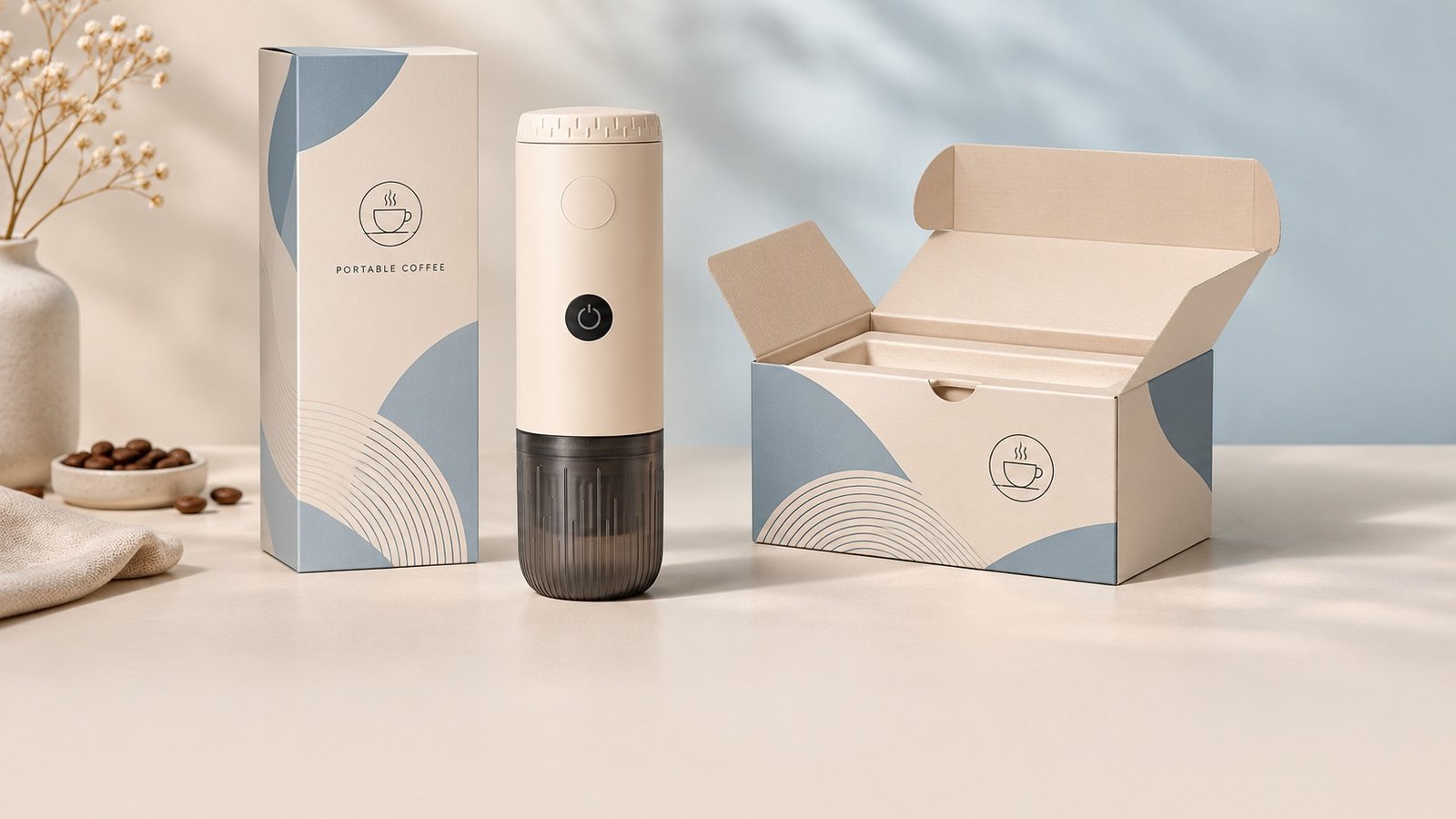
| Custom Color Boxes | Box artwork, product image, information hierarchy and opening layout | The printed box describes the final contents and works with its insert |
| Your Brand Logo | The correct logo version, size, position and proposed application | Legibility, contrast and placement on the actual housing or package |
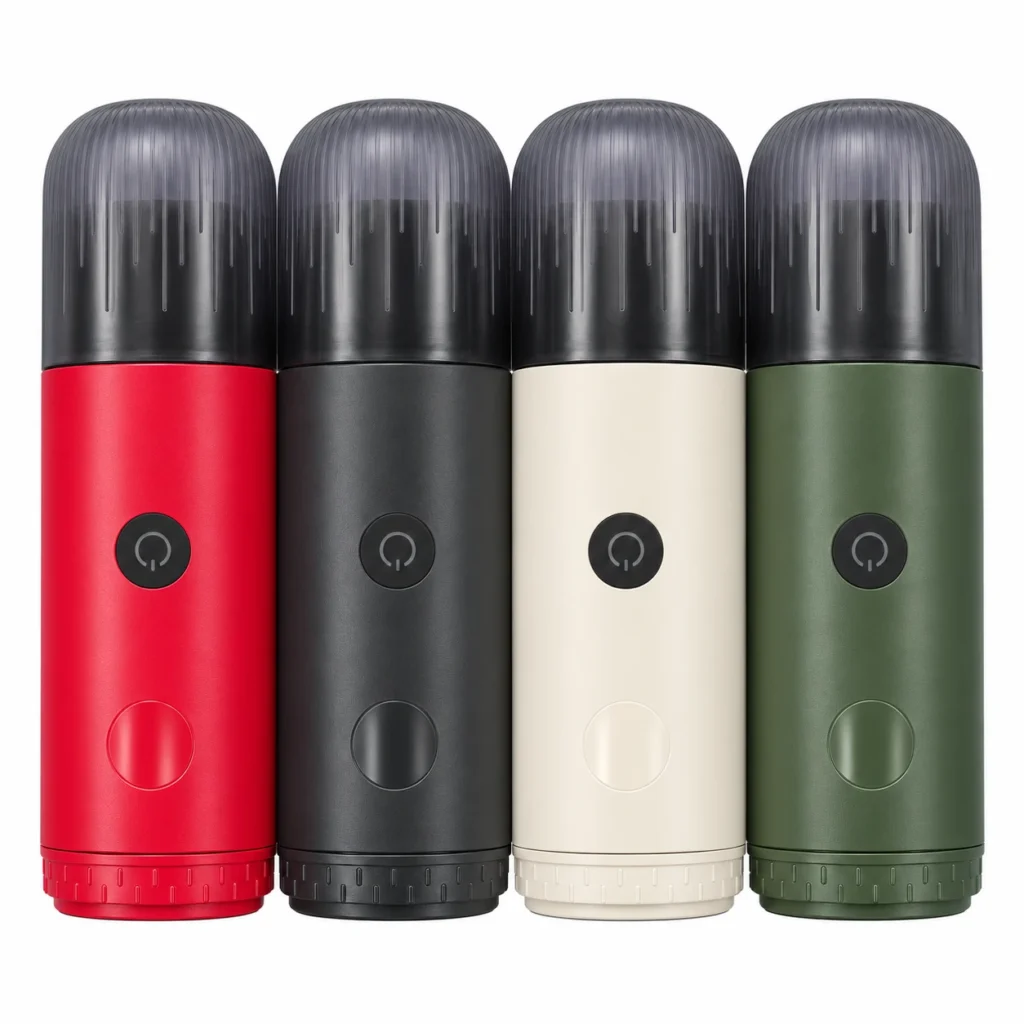
| Product Colors | A color direction and approved physical reference | How the chosen surfaces look together under the same light |
| Pattern Customization | Pattern scale, orientation and intended coverage | Placement around edges, controls, seams and model markings |
Use a consistent visual hierarchy across the set. Decide what the customer should recognize first, then give the logo, product name and operating information enough space. For co-branding, agree the approved logo files and relative prominence of each brand before preparing the final proof.
EcoBridge’s customization page shows these four areas with illustrative concepts. A rendering is helpful for direction; the physical sample establishes how the chosen treatment looks on the selected model and package.
Check the information as carefully as the decoration
Create a single approved information sheet for the product name, model, included parts and any performance statements. Use it to review the box, instructions, online listing and product photography together. If the kit does not include an item shown in the artwork, remove it or make the presentation accurate before approval.
Work on the current box dieline and keep the drawing revision with the artwork. Confirm the logo files, image resolution, print areas, cut and fold positions with the production team. A flat artwork proof should be checked at its intended size as well as folded into a physical sample.
- Are the model and product images consistent on every panel?
- Does the pack list match the actual accessories and instruction language?
- Are operating statements supported by the selected model documentation?
- Can the text be read at actual printed size?
- Do seams, folds or labels interfere with important information?
- Are SKU and barcode assignments supplied and approved by the brand or retailer responsible for them?
For barcodes, review the final printed package rather than only a digital image. GS1 identifies size, clear quiet zones, contrast, print condition and placement among the important checks for readable symbols. Have the barcode assessed for the intended scanning application; a phone scan alone does not establish every retailer’s acceptance requirements. GS1’s barcode quality checklist.
Approve a physical packed sample, then record the result
The sample should contain the agreed appliance and all included parts. Open it, remove the contents, check the instructions and repack the set. Look for movement, contact between hard parts, pressure on exposed components and accessories that are difficult to retrieve. Record any change needed to the fit or opening sequence.
Keep an approval record with the model, pack list, box and insert dimensions, artwork version, colors and sample photographs. If a later change adds an accessory or changes a product version, review the fit and artwork again. A previous approval should not silently cover a different configuration.
Agree the inspection points and any required transport evaluation before the order. Do not describe a package as transit tested, certified or guaranteed to prevent damage without the corresponding evidence for the actual packed configuration.
What to include in a packaging enquiry
- The appliance model, approved color and complete pack list.
- The sales channel and intended delivery arrangement.
- The expected quantity and whether it is a repeatable range or a single campaign.
- The changes required across box, logo, product color and pattern.
- Brand artwork, language versions, SKU and barcode responsibilities.
- Any retailer-provided packaging or evaluation requirements.
- The sample decisions and launch dates that still need confirmation.
EcoBridge supports custom programs from 2,000 pieces and ready-stock orders from 100 pieces. State the packaging changes you need so the quotation can distinguish the stocked configuration from a custom program. Browse the appliance range and send the proposed product and pack list to begin the discussion.
Common packaging questions
Should I choose the box before the appliance?
Choose the actual appliance version and contents first, then develop the box and insert around them. Product dimensions alone are not a complete pack list.
Is a custom retail box enough for e-commerce shipping?
Assess the retail pack together with the outer delivery package and the actual distribution route. The decorative box alone does not establish transport protection.
Can a logo method be used on every product housing?
The method depends on the selected material, surface, artwork and position. Review feasibility and an appropriate sample for the model.
What should change if an accessory is added after sample approval?
Update the pack list, check the insert and box fit, review instructions and product images, then document the revised approval.